A washing machine that suddenly stops spinning can quickly disrupt your entire routine. Clean laundry piles up, clothes stay soaking wet, and what should be a simple chore turns into a frustrating problem. If you’re dealing with a washing machine won’t spin issue, you’re not alone—this is one of the most common appliance concerns homeowners face in Arlington, Texas.
The good news is that many spin-related problems can be identified early and sometimes even fixed with basic troubleshooting. In other cases, professional washing machine repair Arlington TX services are needed to prevent further damage.
This guide breaks down the most common reasons behind a washing machine spin cycle not working, how to diagnose the issue, and when to call a trusted technician like Greg’s Grade A Appliance Repair.
Understanding Why Your Washing Machine Won’t Spin
When your washer stops spinning, it’s usually due to a disruption in one of three areas: power distribution, drainage, or mechanical movement.
A washing machine drum not spinning can be caused by something as simple as an unbalanced load or as complex as a failed motor. In other cases, your unit may still run but leave clothes soaking wet, pointing to a washer won’t drain or spin situation.
Before assuming the worst, it’s important to understand the possible causes behind a washer spin problem troubleshooting process.
Washer Not Spinning Fix: Start with the Basics
If you’re searching for a washer not spinning fix, start with simple checks before moving to advanced repairs.
First, make sure the washer is not overloaded. Too many clothes can prevent the drum from spinning properly. Rearranging or removing some items may solve the issue instantly.
Next, check the lid or door. Many machines will not spin if the lid switch or door latch is faulty. A washer lid switch problem is extremely common in top-load washers and can stop the entire spin cycle.
Also, confirm that the machine is receiving proper power and that no cycle settings were accidentally changed.
These basic steps often resolve minor washing machine spin cycle issues without needing professional help.
Washer Won’t Drain or Spin: A Hidden Drainage Issue
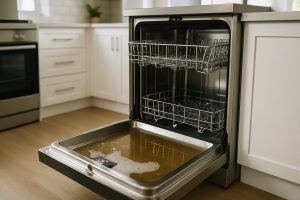
One of the most overlooked problems is drainage. If water is not properly draining from the machine, the spin cycle will not activate.
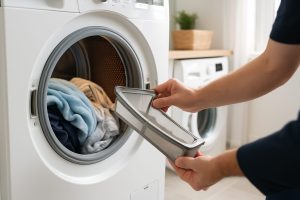
A clogged drain hose, blocked pump filter, or malfunctioning drain pump can all lead to a washer won’t drain or spin situation. When water remains inside the drum, the machine automatically prevents spinning to avoid damage.
If you notice standing water, strange noises, or slow drainage, you may need immediate attention from an appliance repair Arlington TX specialist.
Ignoring drainage issues can eventually lead to more serious damage and higher repair costs.
Washing Machine Drum Not Spinning: Mechanical Failures
If your machine powers on but the washing machine drum not spinning, the issue may be mechanical.
Common causes include a broken drive belt, worn motor coupling, or a faulty transmission system. A washing machine belt broken symptoms often include a humming sound without movement or the drum feeling loose when turned manually.
In more serious cases, the washer motor may have failed entirely. A washer motor not working issue typically requires professional diagnosis and replacement.
Mechanical problems should not be ignored, as continued use may worsen the damage.
Top Load vs Front Load Washer Not Spinning Issues
Different washer types experience different problems.
A top load washer not spinning often suffers from lid switch failures, worn belts, or imbalance issues. These models rely heavily on mechanical switches that can wear out over time.
On the other hand, a front load washer not spinning is more likely to experience door lock issues, control board failures, or drainage pump problems.
Understanding your washer type helps narrow down the cause and speeds up the repair process.
Washing Machine Spin Cycle Not Working: Electrical and Sensor Problems
Sometimes the issue is not mechanical at all. Modern machines rely on sensors and electronic control boards to regulate the spin cycle.
A faulty sensor or damaged control board can cause a washing machine spin cycle not working error even when everything else appears normal. In some cases, you may also see washing machine error codes spin cycle displayed on the screen.
These codes are helpful clues but often require a technician to interpret and fix correctly.
Electrical issues should always be handled carefully, as improper repairs can lead to further damage.
How to Fix Washer Not Spinning: Troubleshooting Steps
If you’re wondering how to fix washer not spinning, follow a structured troubleshooting approach:
First, restart the machine and run a new cycle to reset the system. Next, inspect the load balance and redistribute clothes evenly inside the drum.
Then, check the drain hose for clogs and ensure the lid or door latch is securely closing. Finally, listen for unusual noises during operation, which may indicate internal mechanical issues.
If none of these steps resolve the issue, it’s time to consider professional help.
Washing Machine Repair Arlington TX: When to Call a Professional
While minor issues can be handled at home, many spin cycle problems require expert attention.
If your washer continues to malfunction after basic troubleshooting, contacting a washing machine repair Arlington TX expert is the safest option. Professionals can quickly diagnose whether the issue is electrical, mechanical, or sensor-related.
Searching for washer repair near me Arlington ensures you find local technicians who understand common appliance issues in your area and can provide fast service.
For urgent situations, especially when you rely on your washer daily, emergency washer repair Arlington services are available to restore functionality quickly.
Washer Repair Cost Arlington TX: What to Expect
The washer repair cost Arlington TX can vary depending on the issue.
Simple repairs like replacing a lid switch or unclogging a drain are usually more affordable. However, motor replacement or control board repairs can be more expensive.
On average, homeowners can expect costs to range depending on labor, parts, and severity of the issue. Getting a professional diagnosis first helps avoid unnecessary expenses and ensures accurate repair estimates.
Washer Not Spinning Clothes Dry: Why It Matters
When your washer fails to spin properly, clothes come out dripping wet. A washer not spinning clothes dry issue means the spin cycle is not removing enough water from the load.
This not only increases drying time but also puts extra strain on your dryer and increases energy bills. Fixing the problem early prevents long-term damage to both appliances.
Final Thoughts
A washer that won’t spin is more than just an inconvenience—it’s a sign that something in your appliance needs attention. Whether it’s a simple imbalance, a clogged drain, a broken belt, or a deeper electrical fault, identifying the cause early is key to preventing costly repairs.
From washing machine spin cycle not working issues to full mechanical failures, understanding the symptoms helps you take the right action quickly.
If your troubleshooting efforts don’t resolve the problem, professional help is the safest and most effective solution.
A malfunctioning washer doesn’t have to disrupt your home for long. With the right diagnosis and timely repair, most spin-related issues can be fixed quickly and affordably.
For reliable, fast, and professional service in Arlington, Texas, trust Greg’s Grade A Appliance Repair. Whether you need routine maintenance, emergency service, or expert diagnosis for complex washer issues, their team is ready to help restore your appliance to full working condition.